
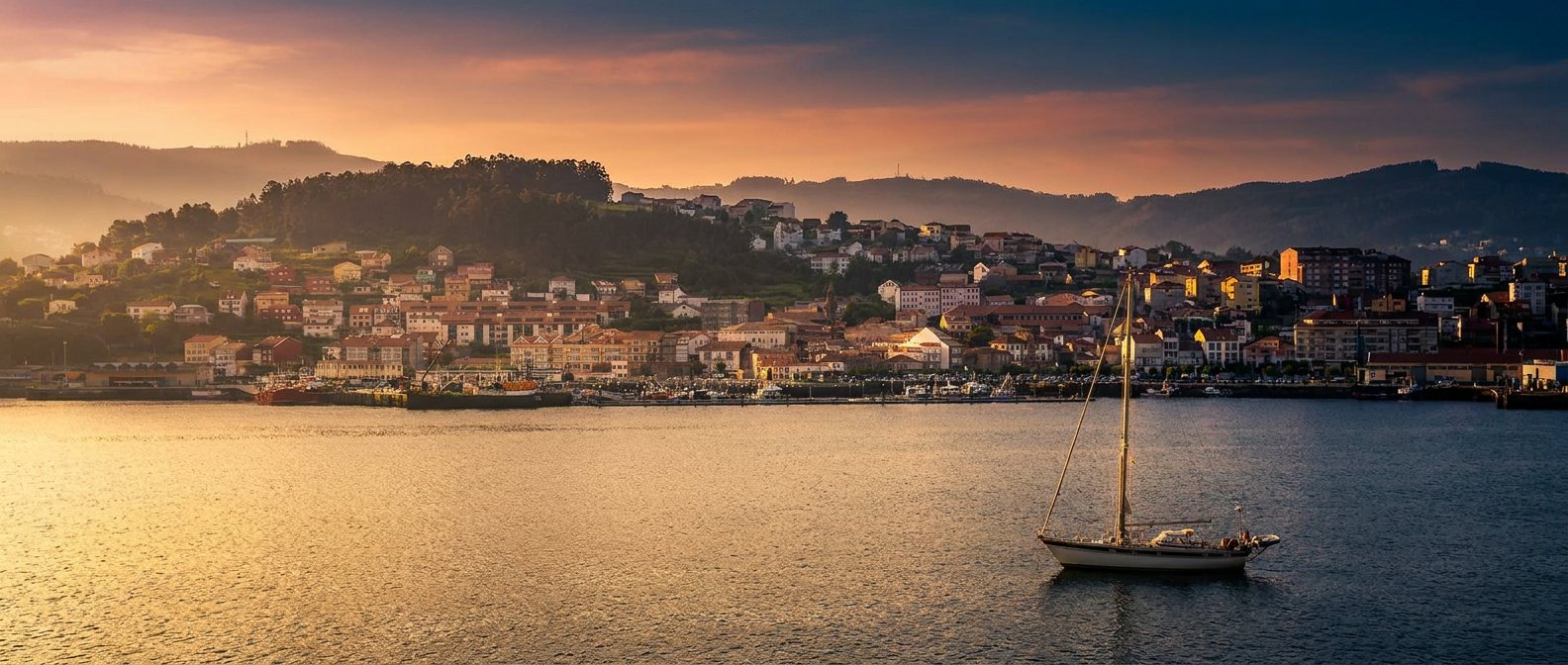
The best children’s clothing in the world mostly stays where it was made. A workshop in Galicia might cut forty of a dress, sell every one within an hour’s drive, and never think about the rest of the planet. They don’t advertise, and there’s no English catalog to order from. If you want one, you pretty much have to know someone.
We built this shop because we kept falling in love with clothes we couldn’t buy here.
The old way of dressing a child
In much of Europe, a baby’s wardrobe is still put together the old way: slowly, piece by piece, under the supervision of grandmothers with opinions. Cotton and wool against new skin. A collar that sits just so. Hems finished by hand, because some things are too important for a machine.
Nobody designs these clothes, exactly. They get handed down and corrected, one generation at a time, until nothing unnecessary is left. A smocked dress from 1975 looks like a smocked dress from last spring. That’s the whole idea.
Galicia, España
Drive northwest from Madrid until the land turns green and the air smells like rain and eucalyptus. That’s Galicia. Granite villages, pine forests running down to a cold Atlantic, long sea inlets the locals call rías. It rains a lot. Nobody minds.
It’s the corner of Spain our family knows best, and it’s where the country does its finest needlework. A newborn here still gets a canastilla, a first trousseau: knitted peleles, cotton gowns, bonnets with ribbon ties, booties that vanish in your palm. On Sundays the prams get inspected in the plaza, lovingly and without mercy, and a well-dressed baby is a point of family pride.
The workshops behind all this are small. Some have been making the same garments, at the same tables, since before your grandparents met.
Apulia, Italia
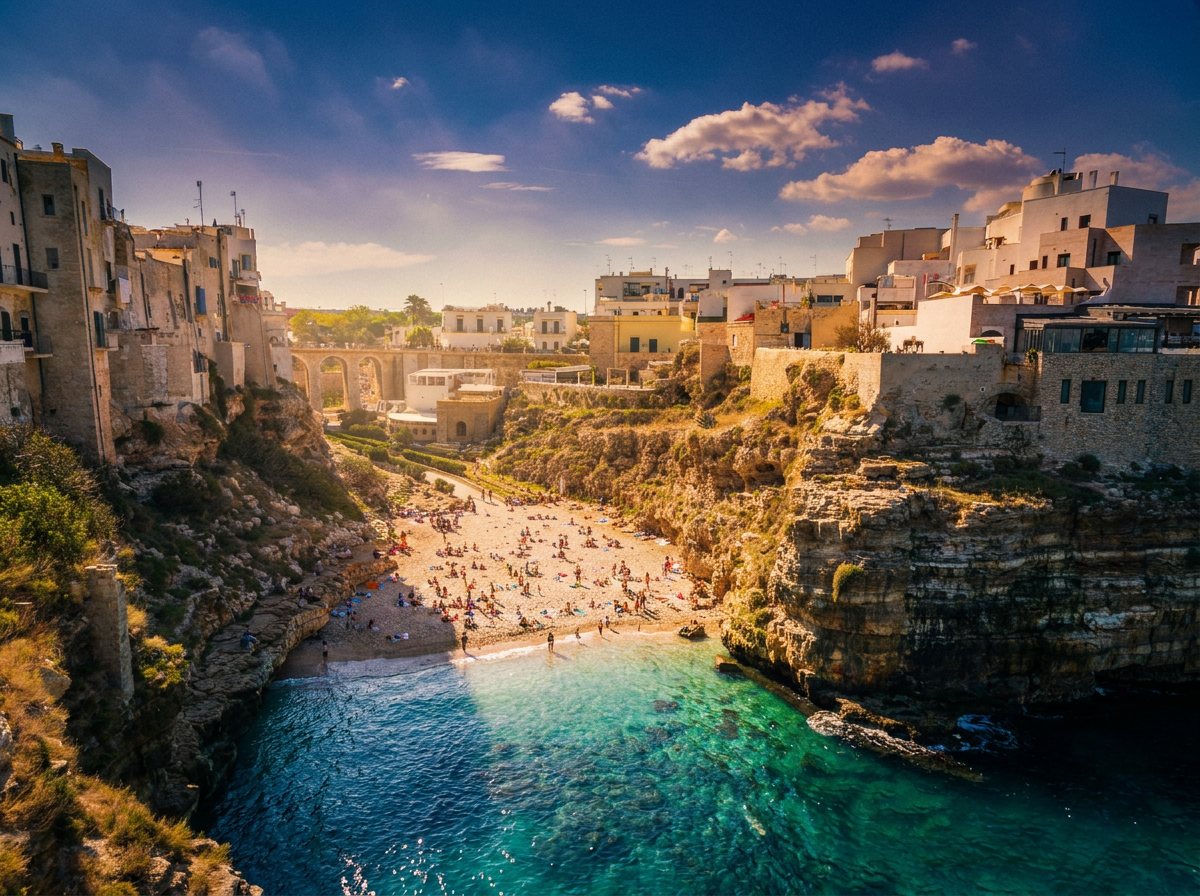
Italy is a different mood. Italians dress children the way they cook: the best ingredients, nothing extra. Cotton from mills that have run for a hundred years. Linen the color of dry wheat. Knitwear far too elegant for someone who can’t walk yet.
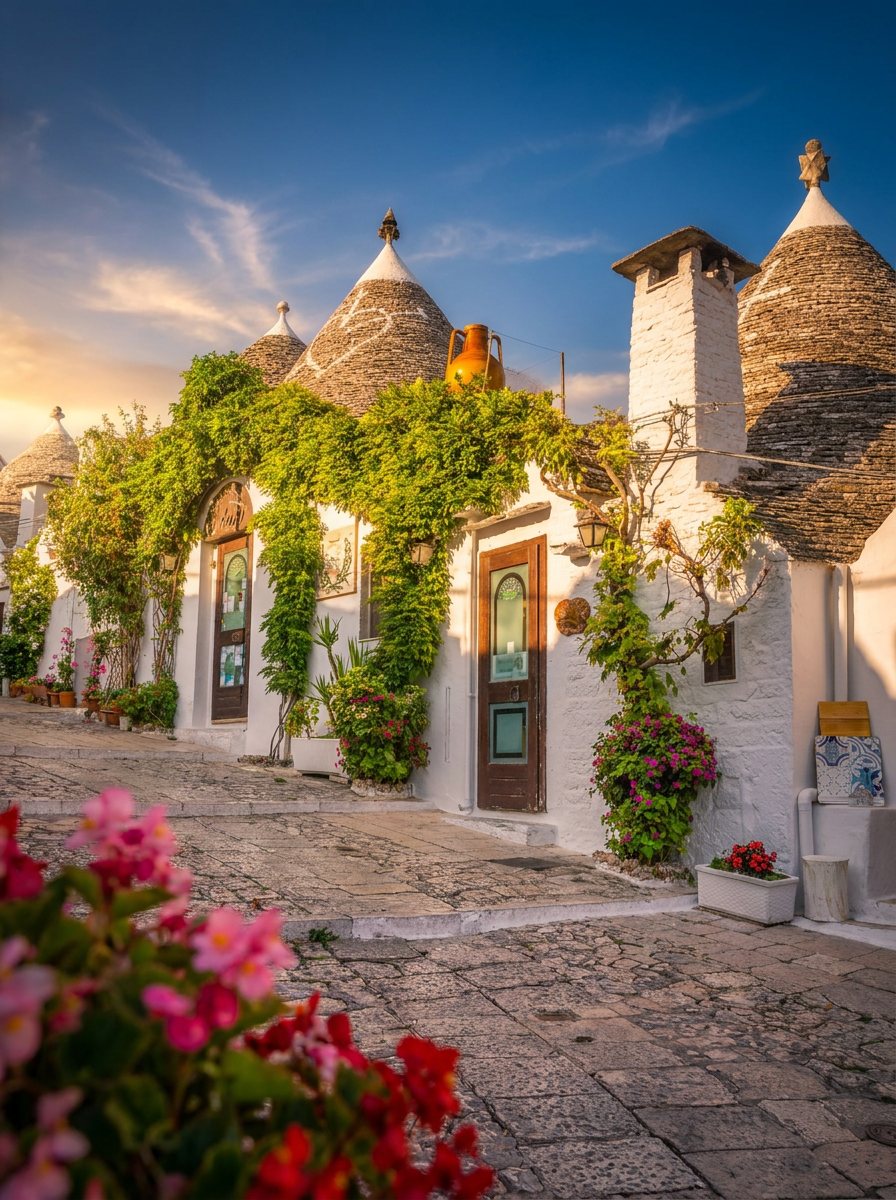
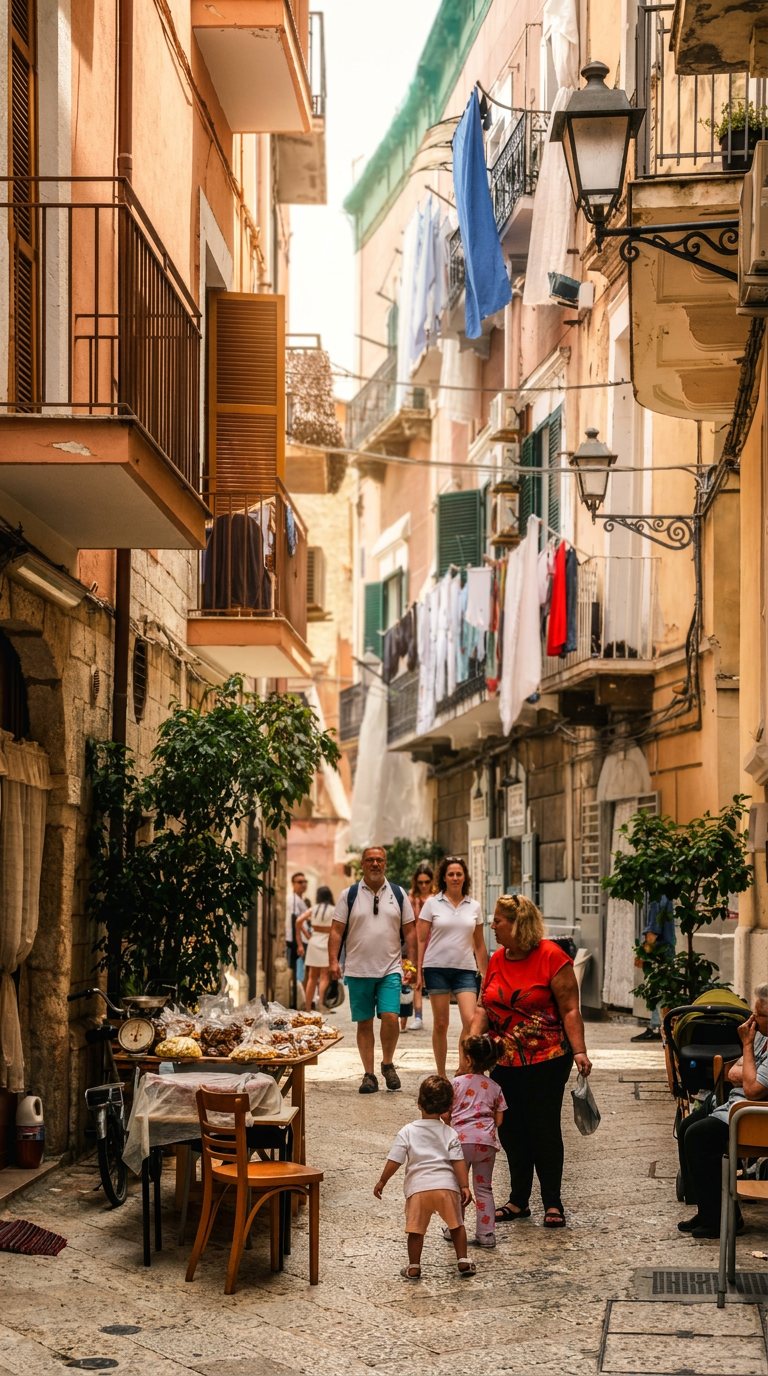
There’s a phrase for it, la bella figura, the duty of looking your best in public, and it starts in the cradle. Stand in any town square during the Sunday evening passeggiata and watch the whole town file past. The children are the best-dressed people there. It isn’t close.
Why you’ve never seen them
Here’s the catch. These houses don’t chase foreign markets. Their catalogs are in Spanish and Italian, their minimums get settled over coffee, and most of their production goes to shops they’ve known for thirty years. The really good lines, the permanent collections they’ve been perfecting for generations, barely leave the continent.
Getting to them took us years, a lot of Spanish, and more coffee than we’d like to admit. That part’s our job. Yours is easier.
The brief, bright years
One more thing, and then we’ll let you shop. A baby wears a size for about a season, and you remember that season for the rest of your life. The clothes become the photo on the mantel, the gown saved in tissue for the next baby, the tiny folded thing you find in a drawer ten years from now that wrecks you a little.
Childhood is short. Dress it accordingly.